Overview: Personal Trainers
You have been paying for a gym membership for months and nothing has changed. Or you have never set foot in one, and the free weight area looks like a club nobody invited you to. A personal trainer is the answer to both of those.
Trainers work in three setups and it changes what you get. Some are employed by a large gym, and you buy sessions at the front desk. Some rent floor space in that same gym and keep their own clients. Others run a small private studio where you train without an audience. The first session should be an assessment and a long conversation about what you have done before, what hurts, and what you want out of this.
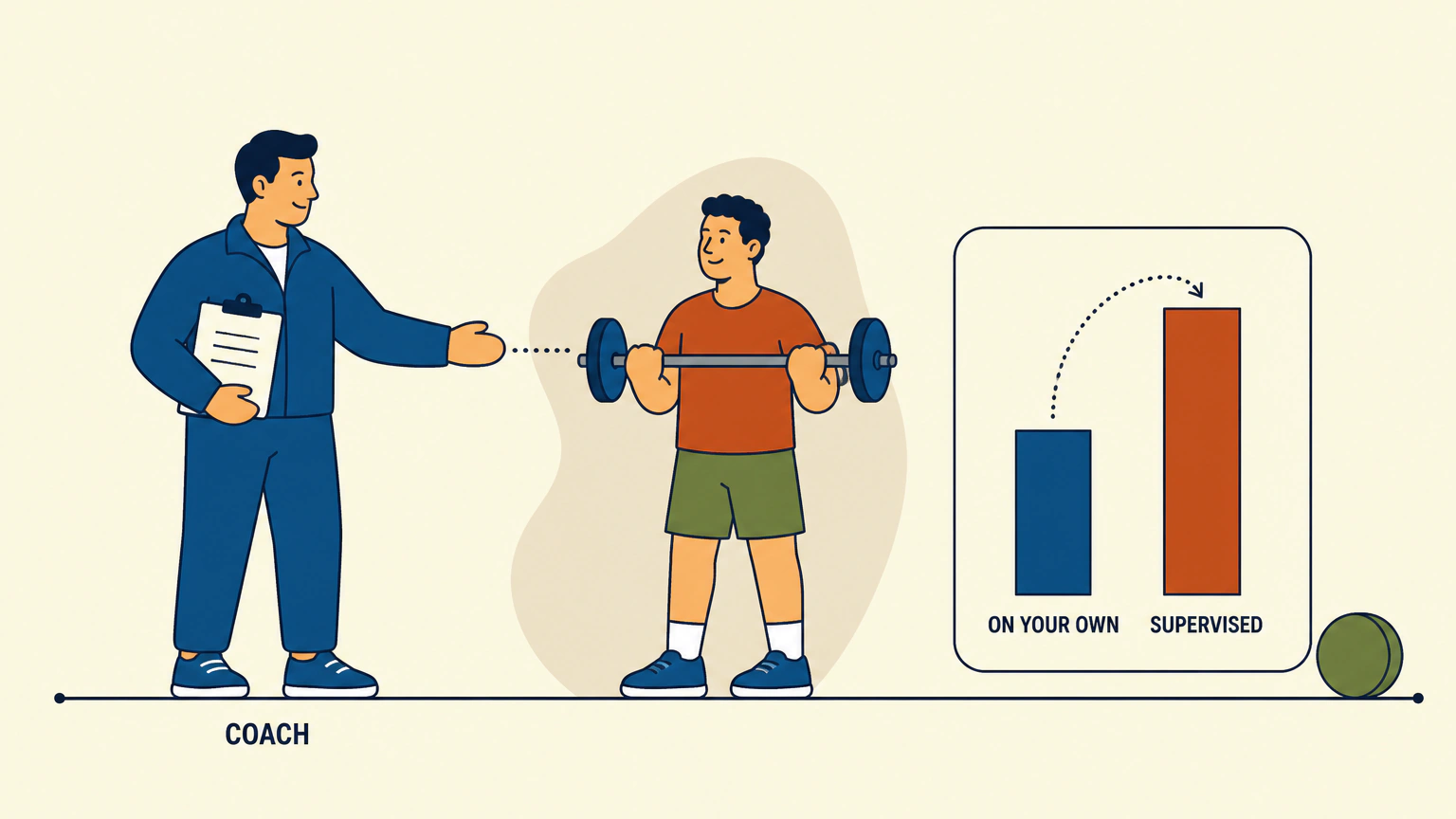
Ask what happens between sessions. A trainer who writes a workout plan for the days you train alone is doing a different job from one who exists only for the hour you pay for. Ask about certifications and insurance, and ask what they do when a sore shoulder does not settle. Sending you to a physical therapist instead of coaching through it is the right answer.
Use the state and city lists below to reach the trainers near you. Each city page shows which are based in that city and which are nearby, and quotes what local clients said.
Cost of personal training and gym access
Compare the coaching time, individual attention and full payment needed to start. Keep training fees separate from gym dues, and distinguish live sessions from a remotely managed workout plan.
| Option | Estimated cost | What to compare |
|---|---|---|
| Private training, 30 minutes | $40–$80 per person / session | One individually purchased half-hour training appointment.Confirm whether assessment, facility access, travel and applicable tax are extra. |
| Private training, 60 minutes | $55–$150 per person / session | One individually purchased full-hour training appointment.Ask what support or workout plan is included between visits. |
| Partner training, 60 minutes | $60–$100 per person / session | Exactly two people share one trainer for an hour.Both people pay; check the fee and cancellation rules when one partner cannot attend. |
| Remote coaching plan | $100–$250 per person / month | A personalized workout program with recurring coach feedback.Check check-in frequency, program updates and minimum term; live training sessions may be separate. |
| Full-service gym access, if required | $50–$120 per adult / month | Separate club dues when training does not include access.Confirm enrollment charges and whether a lower-cost or training-only access option is available. |
Plan your total cost
Check what is included
First appointment. Ask whether consultation, assessment and the initial plan are included.
Facility charges. Check the nonmember training rate against membership plus member-rate training.
Prepaid sessions. Confirm expiry, refunds, freezes and options if the trainer changes.
What changes the price
Actual coaching time. Compare equal session lengths and the number sharing the trainer.
Instructor and location. Experience, specialist goals and travel can affect the quote.
Ongoing support. Remote plans differ in feedback frequency, adjustments and live access.
Ask before you book
- What will my planned schedule cost in total, including required gym dues?
- What does the trainer provide between sessions, and is it included?
- Can I change trainers or pause, and what happens to prepaid sessions?
Ways to save
Compare partner sessions and a smaller package before buying a long commitment. A discounted session only saves money if you can use it before expiry.
Frequently asked questions
What does a personal trainer actually do?
They plan the sessions, watch how you move, and change the plan when your body or your week changes. The good ones spend the early weeks teaching a small number of lifts properly instead of leaving you wrecked. They also handle the part nobody manages alone, which is turning up on a day you would rather not.
Gym trainer, freelance trainer or private studio?
A gym employee is the simplest to book and the easiest to lose when staff turn over. A freelancer renting floor space usually keeps clients longer and sets their own rules on cancellations. A private studio is quieter, has equipment chosen rather than inherited, and normally expects you to commit to a schedule. Ask which one you are dealing with before you pay.
What should the first session cover?
History, injuries, medication, sleep and what your week actually looks like. Then a movement assessment: squat, hinge, push, pull, and how your shoulders and hips behave. A trainer who skips all that and starts you on a heavy circuit is selling exertion, not coaching. You should leave knowing what the next few weeks are for.
What qualifications should I ask about?
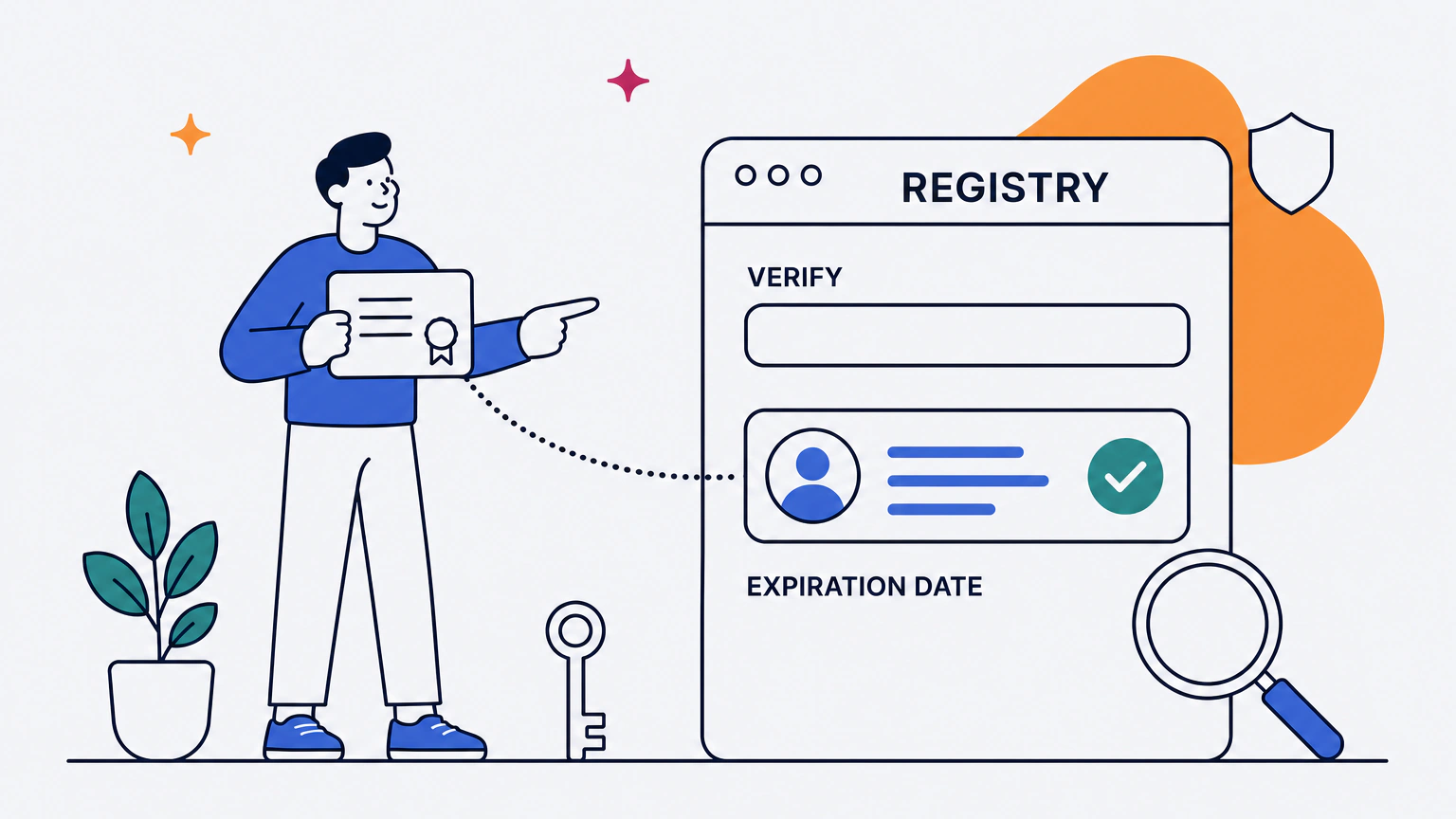
Ask which certifying body issued the certification and whether it is current, since renewal matters more than the original course. Nationally recognized bodies are the ones worth hearing named. Ask about liability insurance, and about extra training if you have a specific need such as pregnancy, older joints or a return from surgery. A certification is a claim you can check, not a verdict on the coaching.
Can a trainer work around an injury?
Around one, yes. Treating one, no. A trainer can load what is healthy, avoid what is not, and keep you training while something settles. If pain is new, sharp, or getting worse week on week, the honest move is a referral to a medical professional and a conversation once you have a diagnosis. Be wary of anyone who promises to fix your back.
Can teenagers train with a personal trainer?
Often yes, with a parent's consent and sometimes with a parent present on the gym floor. Gyms set their own minimum age and it varies. Ask whether the trainer has coached young athletes before, whether a parent can stay, and what background check the gym runs on staff. Screening rules for people working with minors differ by state, so ask the gym what theirs covers.